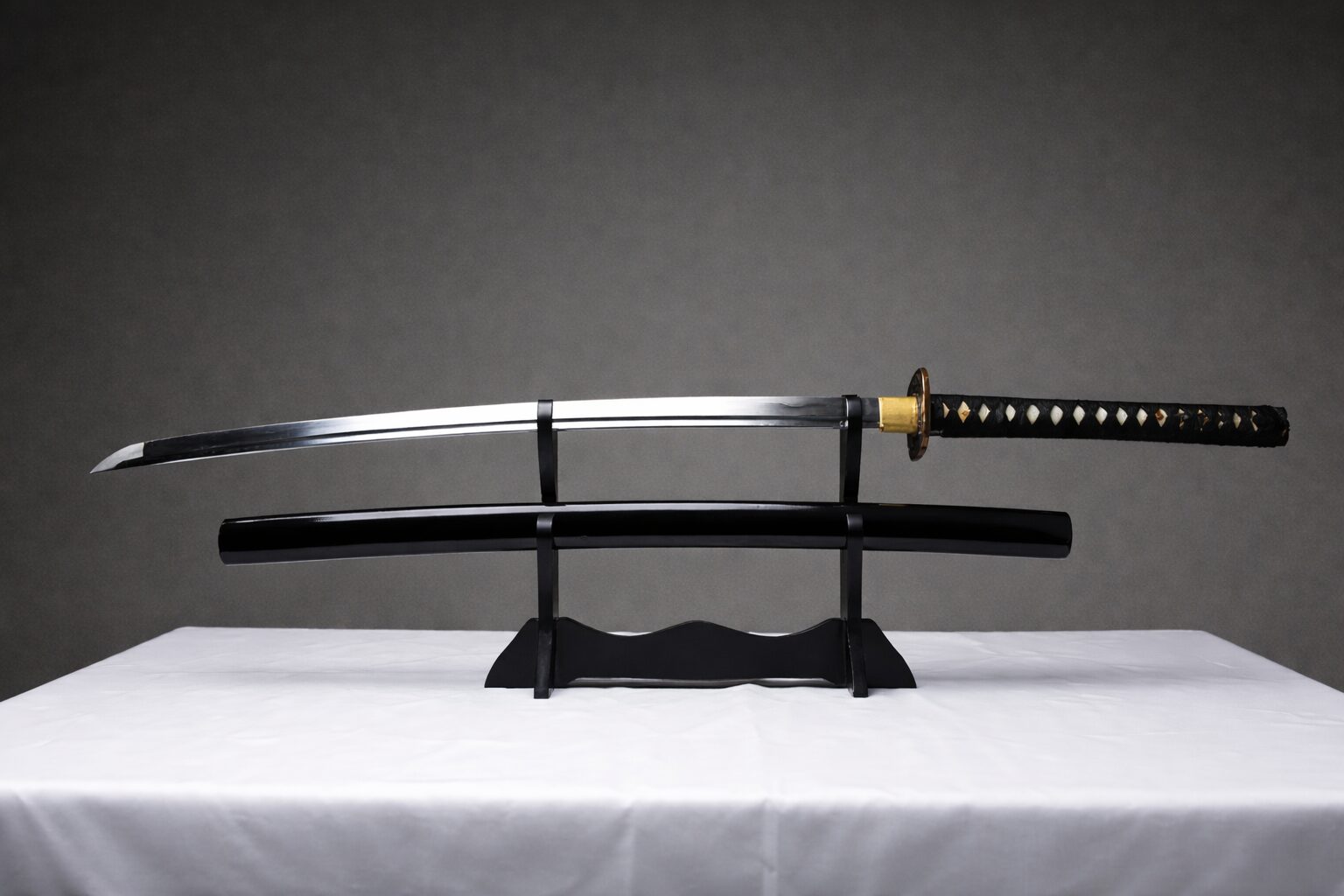
Concept
What Is “Gin-susutake” (銀煤竹)?
“Gin-susutake” refers to a bamboo that has been long exposed to smoke and fire—resulting in a dark brown-black tone known as “susutake”—and then finished so that it carries a subdued, silver-gray sheen. In essence, it is “a deep, smoke-blacked brown rice husk color (susutake) overlaid with a faint, muted silver luster.” This hue celebrates the beauty of natural aging and the subtle radiance of aged bamboo.
Context
Historical Usage in Ancient Japan
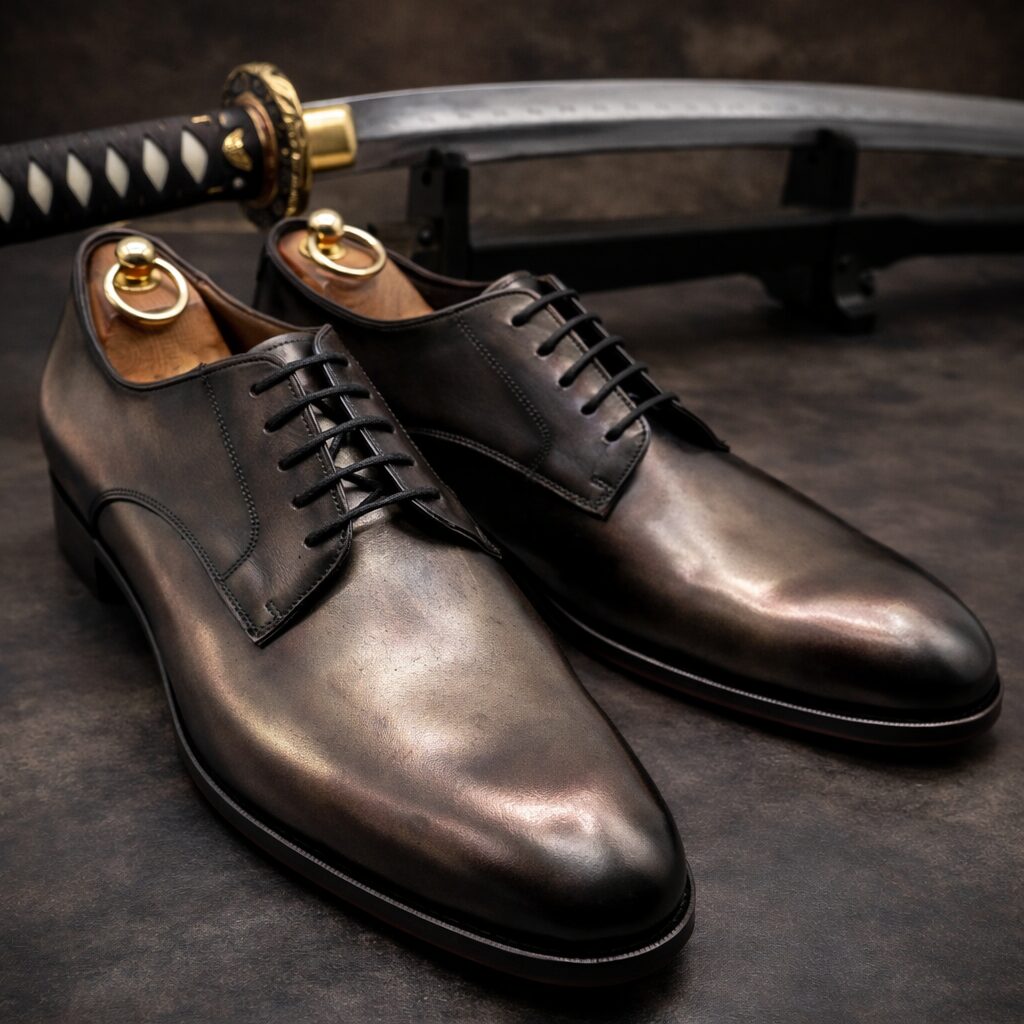
From the late Heian period into the Kamakura era and beyond, the tea ceremony (chanoyu) grew in cultural prominence. Bamboo implements (such as tea whisk containers and tea scoops) that had been placed near the hearth or under the smoke gradually transformed into “susutake.” Tea masters prized this aged bamboo’s naturally smoked surface and incorporated it into items such as tea scoops (chashaku), tea whisk tubes (chasen-tsutsu), sliding-door handles (fusuma hikite), and decorative racking within the tea alcove (tokonoma). When a subtle grayish or silvery sheen appeared—akin to “gin-susutake”—it deepened the wabi aesthetic of the tea room.
Within temple interiors and on certain auxiliary fittings, artisans sometimes used susutake and then applied layers of lacquer mixed with small amounts of silver dust or silver leaf, creating a “gin-susutake” effect. Especially in the Kamakura and Muromachi periods—when Zen aesthetics were influential—there was a strong reverence for objects that have naturally aged. Susutake and its silvered counterparts imparted a calm dignity and quietly refined presence to temple halls, shoin (study/lecture rooms), and tearooms.
Samurai & Craft
Weaponry and Furniture Accents
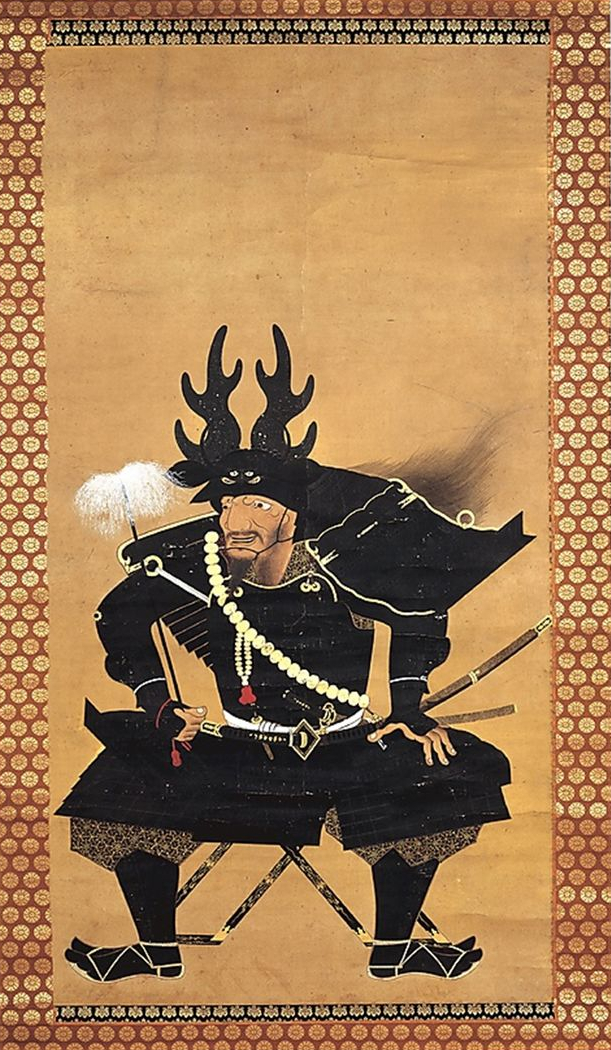
From the Muromachi period onward, samurai leaders (often also tea practitioners) began using susutake and silvered susutake for accessories such as small weapon cases, shelf accents, and decorative bases for fan stands.
Initially, the raw bamboo itself was smoked to achieve susutake. Later, craftsmen replicated the “gin-susutake” effect by applying lacquer laced with silver pigments, using the subdued gleam to elevate the status and refinement of weapons and furnishings.
Palette
Color Composition
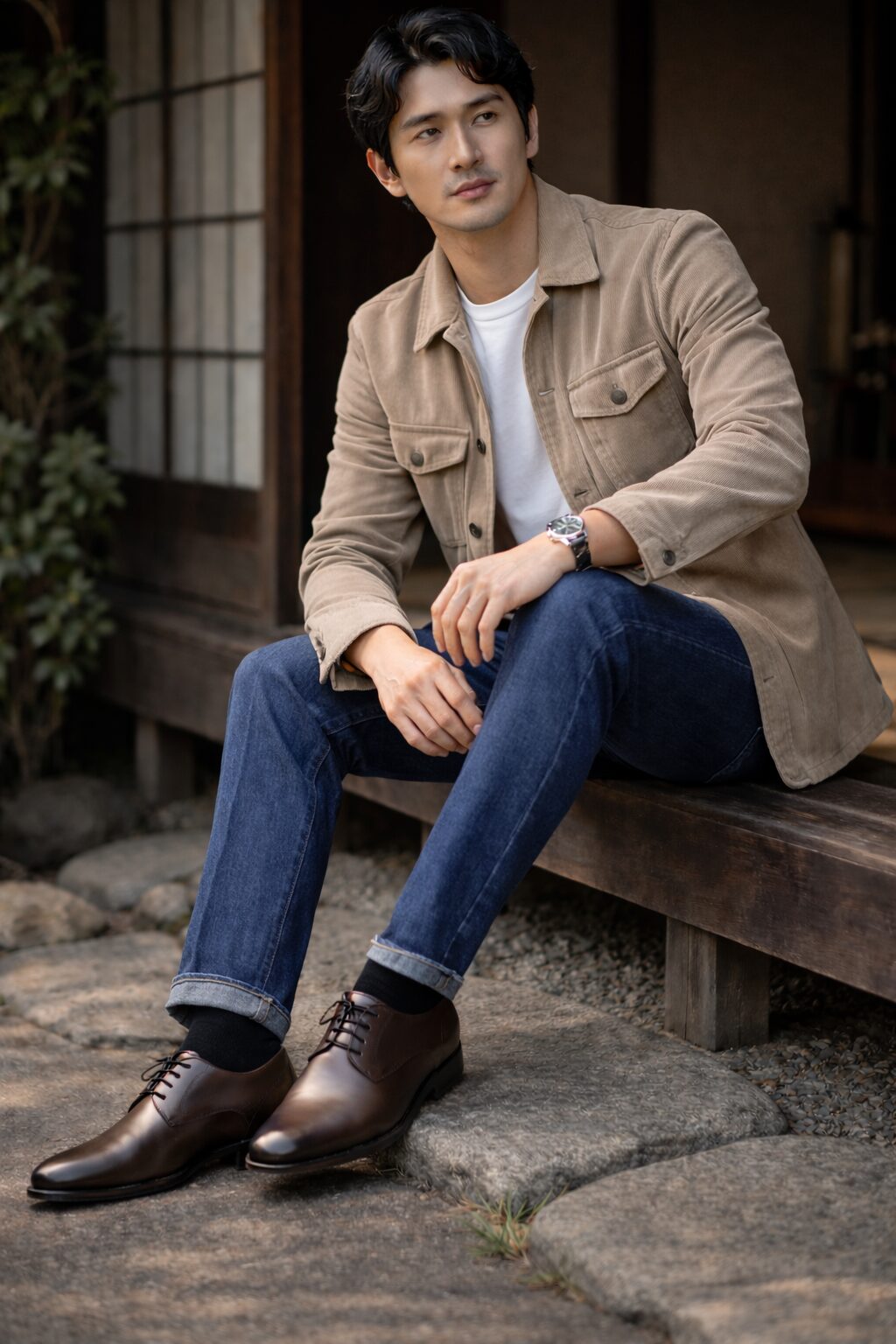
This is the natural dark brown-black that results when bamboo is repeatedly exposed to hearth smoke over many years. Faint vertical grain lines and subtle variations in hue—the hallmarks of natural material—remain visible beneath the surface.
Craftsmen used silver leaf, silver powder (“gin-dei”), or lacquer mixed with ash to impart a dulled silver sheen on top of susutake. This faint metallic luster is what gives the color its name, “gin-susutake.”
Depending on light and viewing angle, the bamboo’s surface shifts between dark brown-black and ash-gray or silvery gray. As a result, “gin-susutake” is truly a complex blend of “ashy black-brown” transitioning to “muted silver-gray.”
Meaning
Symbolism
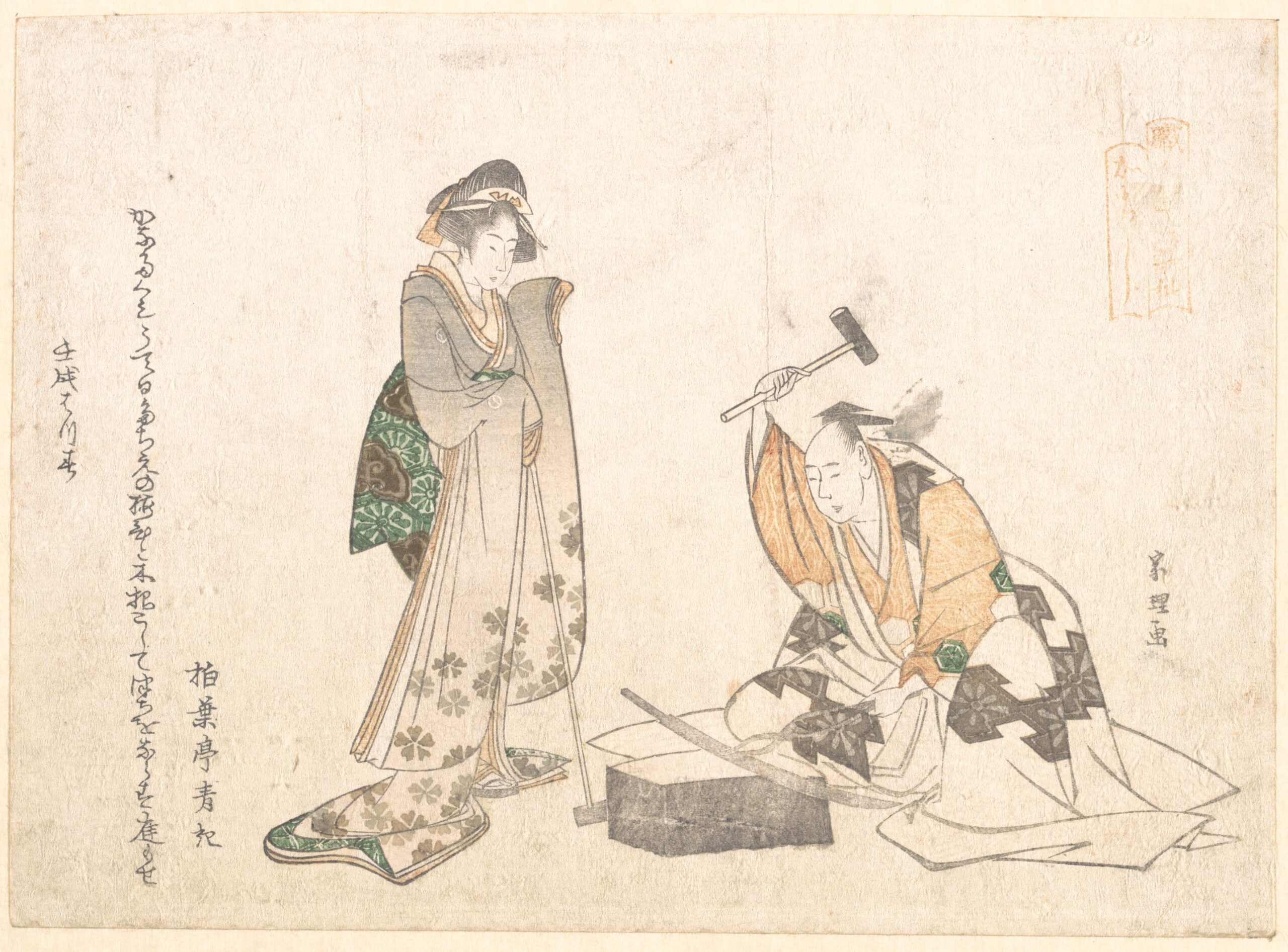
| Passage of Time & Dignity | The deep, smoke-blackened bamboo hue represents the dignified aura and elegance that time and elemental exposure bring. |
|---|---|
| Wabi-Sabi (Transience & Imperfection) | The slight silvery gleam in the aged bamboo epitomizes quiet beauty found in impermanence, change, and understated refinement. |
| Formality & Depth | Used historically in tea and Buddhist implements as well as samurai accouterments, this color conveys dignified stature and hidden profundity. |
| Harmony with Nature | Because its tone arises from the interaction of bamboo, fire, and smoke, gin-susutake symbolizes the entwining of human craft and the natural world. |