Japanese Traditional Color
日本の伝統色
AESTHETICS · DYE · PATINA
Japanese Traditional Color
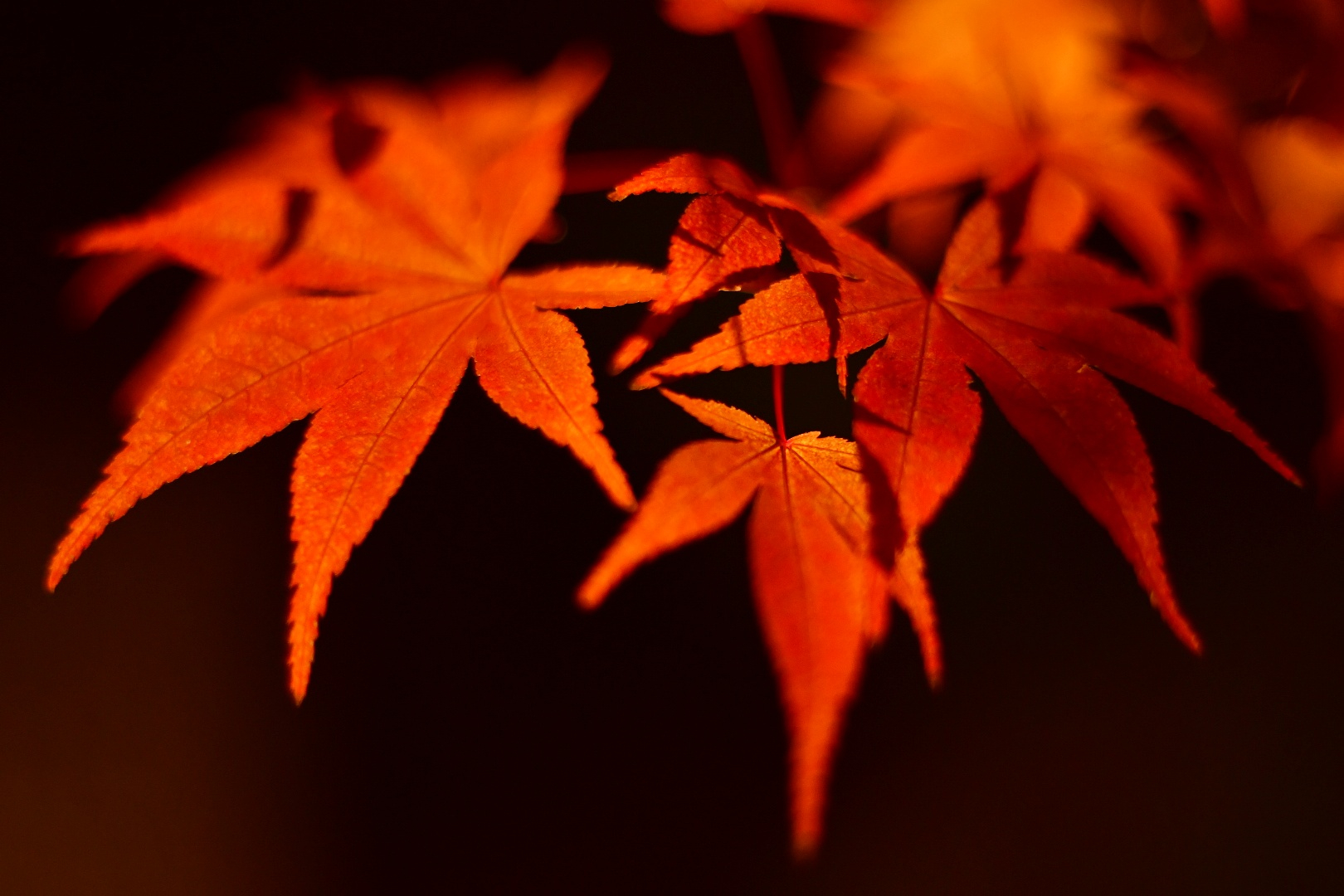
The term Yu Momiji 〖幽紅葉〗 is not an existing Japanese word or a traditional Japanese color name. In this page, it is used as an original coined term created specifically for this patina concept, expressing the image of crimson maple leaves quietly emerging within darkness.
The description of colors may include references to Japanese poetry, painting, lacquerware, ceramics, seasonal aesthetics, and traditional cultural sensibilities. These references are intended to provide poetic and cultural context, and do not indicate the actual use of those materials or techniques in the dyeing of shoes.
This color is inspired by a Japanese sense of beauty in which depth, silence, shadow, seasonality, and subtle transitions often carry as much meaning as vivid color itself.
Yu Momiji
幽 紅 葉
※ This color is rooted in Japan’s unique perception of color.
→ Read: An Overview of Japanese Color Aesthetics
What Is Yu Momiji?
Yu Momiji 〖幽紅葉〗 is not a historically established Japanese word or a traditional color name. It is an original coined expression created for this patina concept. The name combines Yu, suggesting quiet depth, faint presence, mystery, and shadow, with Momiji, meaning autumn maple leaves.
Yu Momiji is inspired by the image of red maple leaves quietly appearing within darkness. It is not the bright, festive red of autumn foliage under daylight, but a deeper and more restrained crimson that seems to float up from shadow.
The word Yu carries a sense of depth, quietness, mystery, and a faint presence held within darkness. Momiji refers to autumn maple leaves, symbols of seasonal transformation, beauty, and transience. Together, Yu Momiji evokes an autumnal scene in which crimson leaves are not fully illuminated, but are glimpsed as if suspended in the stillness of night.
Visually, it may be perceived as black infused with deep red, or as a dark surface from which subdued crimson gradually emerges. Its beauty lies not in vivid contrast alone, but in the delicate tension between concealment and appearance, darkness and color, silence and seasonal memory.
Autumn, Shadow, and Quiet Sorrow
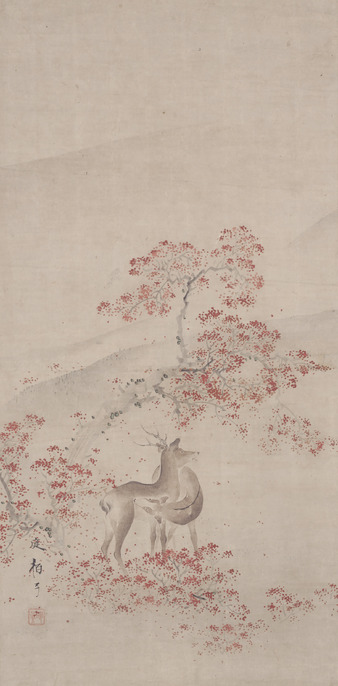
In Japanese aesthetics, autumn is not only a season of brilliant color. It is also a season of quietness, fading light, distance, and emotional depth. The beauty of maple leaves becomes more profound when it is touched by shadow.
Maple Leaves in Classical Japanese Poetry
In Japanese literature, maple leaves are often associated not only with beauty, but also with loneliness, distance, and the emotional depth of late autumn. One of the most famous examples is the classical waka poem traditionally attributed to Sarumaru Dayu:
紅葉踏み分け
鳴く鹿の
声聞く時ぞ
秋は悲しき Deep in the mountains, a deer cries as it treads through fallen maple leaves.
Hearing its lonely call, I feel the sorrow of autumn.
This poem does not simply describe beautiful autumn leaves. It gathers together the deep mountains, fallen leaves, the distant cry of a deer, and the quiet sorrow of late autumn. Yu Momiji draws from this sensibility: the feeling that autumn’s beauty becomes most profound when it is touched by silence, solitude, and shadow.
Night Maple Leaves and the Beauty of Shadow
Under the sun, red maple leaves appear brilliant and clear. In darkness, however, their color changes character. Red becomes deeper, almost hidden. The leaves appear only where faint light touches them, creating an impression of color that is both present and disappearing.
This is the essence of Yu Momiji: a red that does not declare itself openly, but rises quietly from blackness, like a memory of autumn suspended in night air.
A Color Between Darkness and Crimson
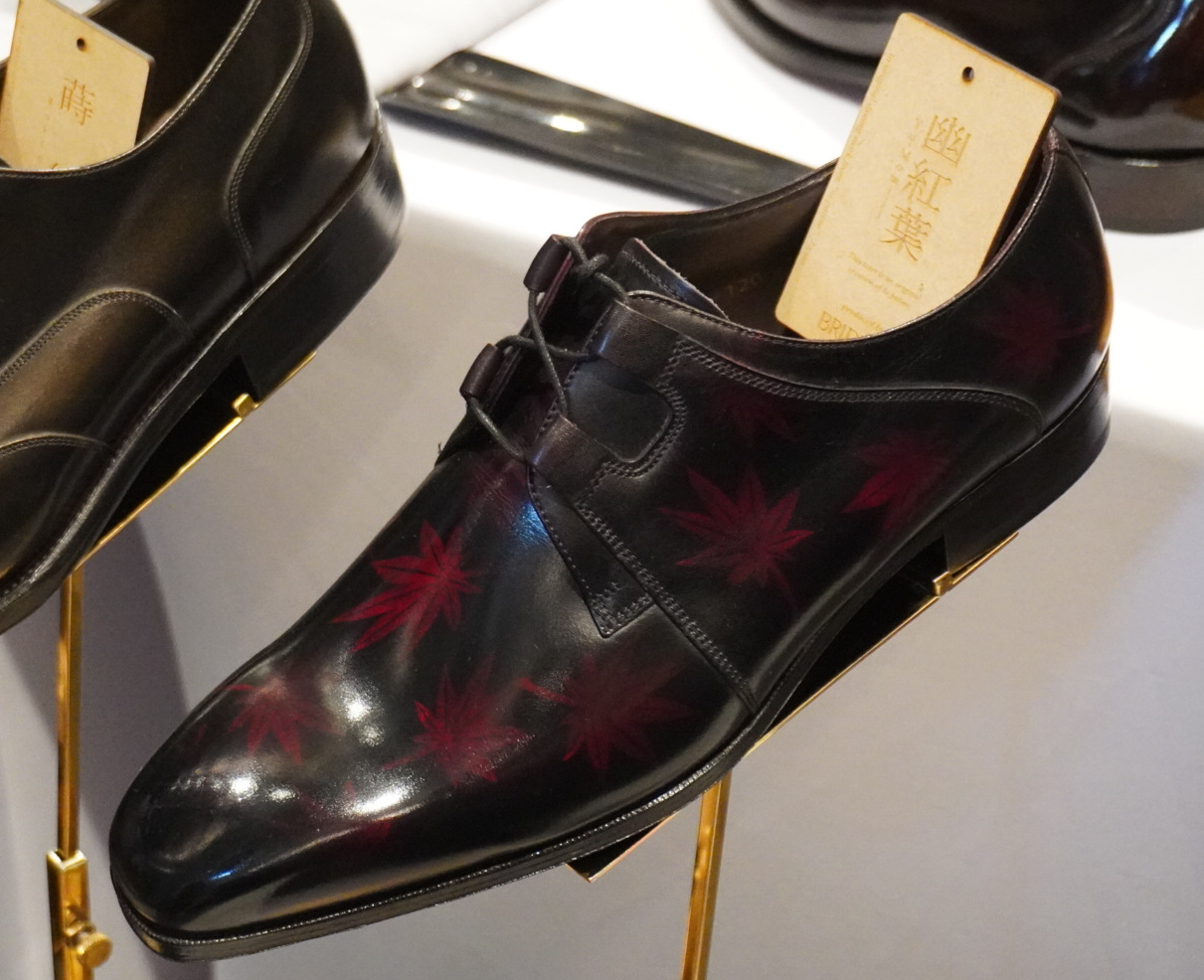
Yu Momiji is not a single red tone. It is a layered construction in which black serves as the ground, deep burgundy forms the inner body, and crimson appears only in selected areas as a quiet highlight.
The red should not cover the darkness completely. Rather, it should seem to emerge from within it. A quiet crimson rises from the depth of black, like a single maple leaf revealed for a moment in the night.
In this sense, the color resembles black lacquer decorated with red maple motifs, or a night surface upon which fallen maple leaves appear for a moment before being swallowed again by shadow.
Black is not merely a background. It creates silence, distance, and gravity, allowing the red to appear more refined and mysterious.
Crimson is used as a restrained accent. It should feel like a leaf catching faint light, not like a bright decorative surface.
Yu Momiji Color Composition
Deep Black
Blackened Crimson
Deep Burgundy
Crimson Maple
Base Tone: Deep Black
The base of Yu Momiji is a calm, deep black that gives the entire color its quiet strength. It functions like night, lacquer, or a dark water surface, creating the space from which the red can appear.
Shadow Layer: Blackened Crimson
Beneath the visible red lies a blackened crimson tone. This layer prevents Yu Momiji from becoming too bright and gives the surface a sense of depth, age, and emotional restraint.
Inner Tone: Deep Burgundy
Deep burgundy introduces warmth and richness. It connects the black base with the brighter crimson, allowing the transition within Yu Momiji to feel natural rather than abrupt.
Highlight: Crimson Maple
The crimson highlight represents the maple leaf itself. In Yu Momiji, it should appear selectively, as if revealed by faint moonlight or a passing reflection, giving the color its poetic focal point.
Symbolism
Represents autumn not as celebration, but as a season of stillness, maturity, and emotional depth.
Expresses a Japanese sensitivity in which darkness does not hide beauty, but allows it to become more profound.
Suggests red maple leaves appearing momentarily from blackness, like a memory or reflection.
Carries the sense that autumn beauty is most moving because it is temporary and quietly fading.
Evokes the refined impression of black lacquer and autumn motifs, combining depth, gloss, and restraint.
Avoids excessive brightness, favoring a controlled and literary expression of red.
Seasonal Depth and Variation
Yu Momiji may shift depending on the balance between black and red. When black is dominant, the impression becomes quiet, severe, and nocturnal. When crimson is brought slightly forward, the color becomes more autumnal and expressive, suggesting maple leaves illuminated by moonlight or lantern glow.
When black is dominant, the impression becomes quiet, heavy, and nocturnal. The maple red appears only faintly, creating a restrained and mysterious expression.
When crimson is brought slightly forward, the color becomes more autumnal and expressive, suggesting maple leaves illuminated by moonlight or lantern glow. Even then, the red should remain controlled, never losing its connection to darkness.
In this way, Yu Momiji is not a fixed color but a range of emotional transitions. It can move from near-black stillness to deep crimson emergence, always preserving the feeling of autumn seen through shadow.
Yu Momiji is an original coined term created for this patina concept. It is not an existing Japanese word or a historically established traditional color name. It is a poetic color name born from the image of crimson maple leaves quietly emerging within darkness.
Rather than depicting autumn leaves in full daylight, Yu Momiji imagines maple leaves suspended in shadow, revealed only by faint light. Its character lies in the balance between deep black and restrained crimson.
Black gives silence, gravity, and depth. Crimson appears like a single maple leaf floating in the night. As a patina concept, Yu Momiji transforms the image of night maple leaves into the expression of leather.
The red does not simply decorate the black. It rises from within it. This is a color that speaks not of brightness, but of memory, stillness, and the deep emotional beauty of late autumn.