Concept
What is Chitose Midori?
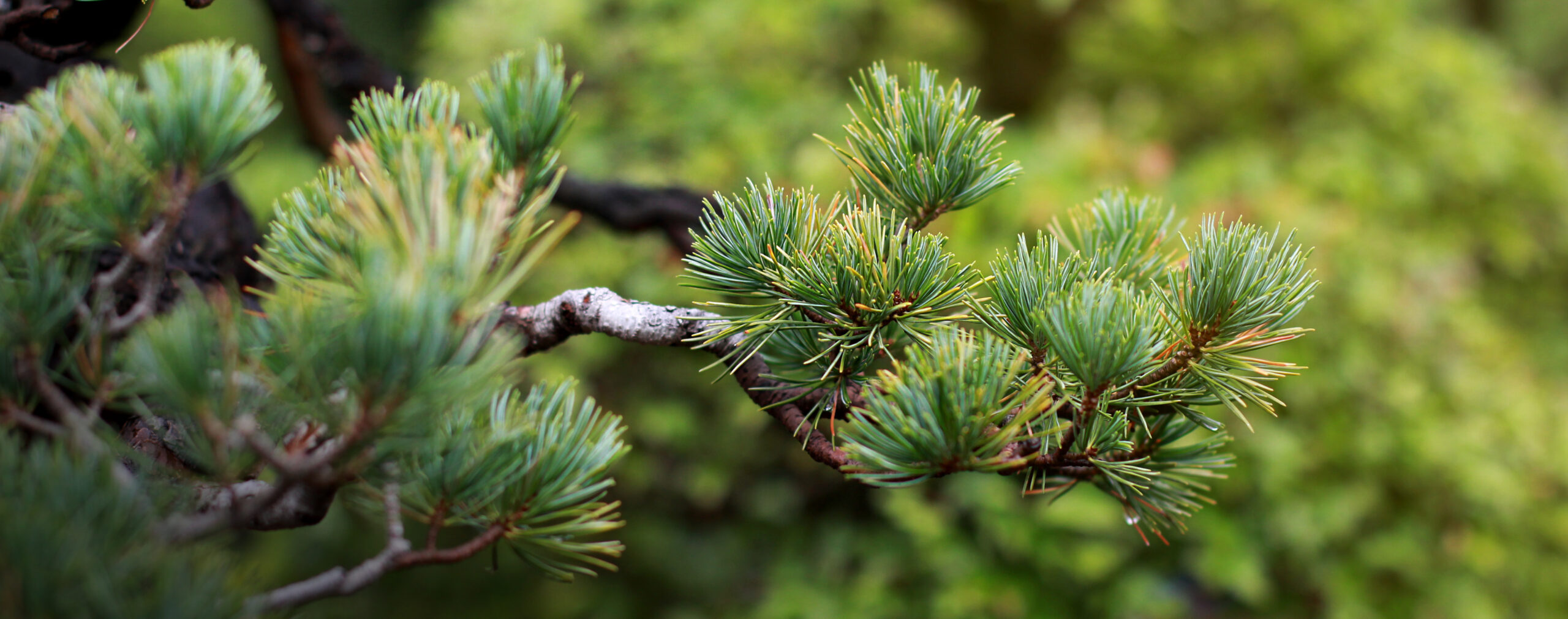
Chitose Midori is a traditional Japanese color inspired by the deep evergreen tone of pine trees. The word “chitose” literally means “a thousand years,” suggesting the span of a millennium and symbolizing perpetuity, continuity, and enduring life.
Rather than a bright green, Chitose Midori appears as a subdued and dignified shade, often approaching black. Its quiet depth reflects the color of evergreen pine needles in nature—calm, restrained, and filled with a sense of lasting vitality.
Context
Cultural Background
Source: ADOBE STOCK
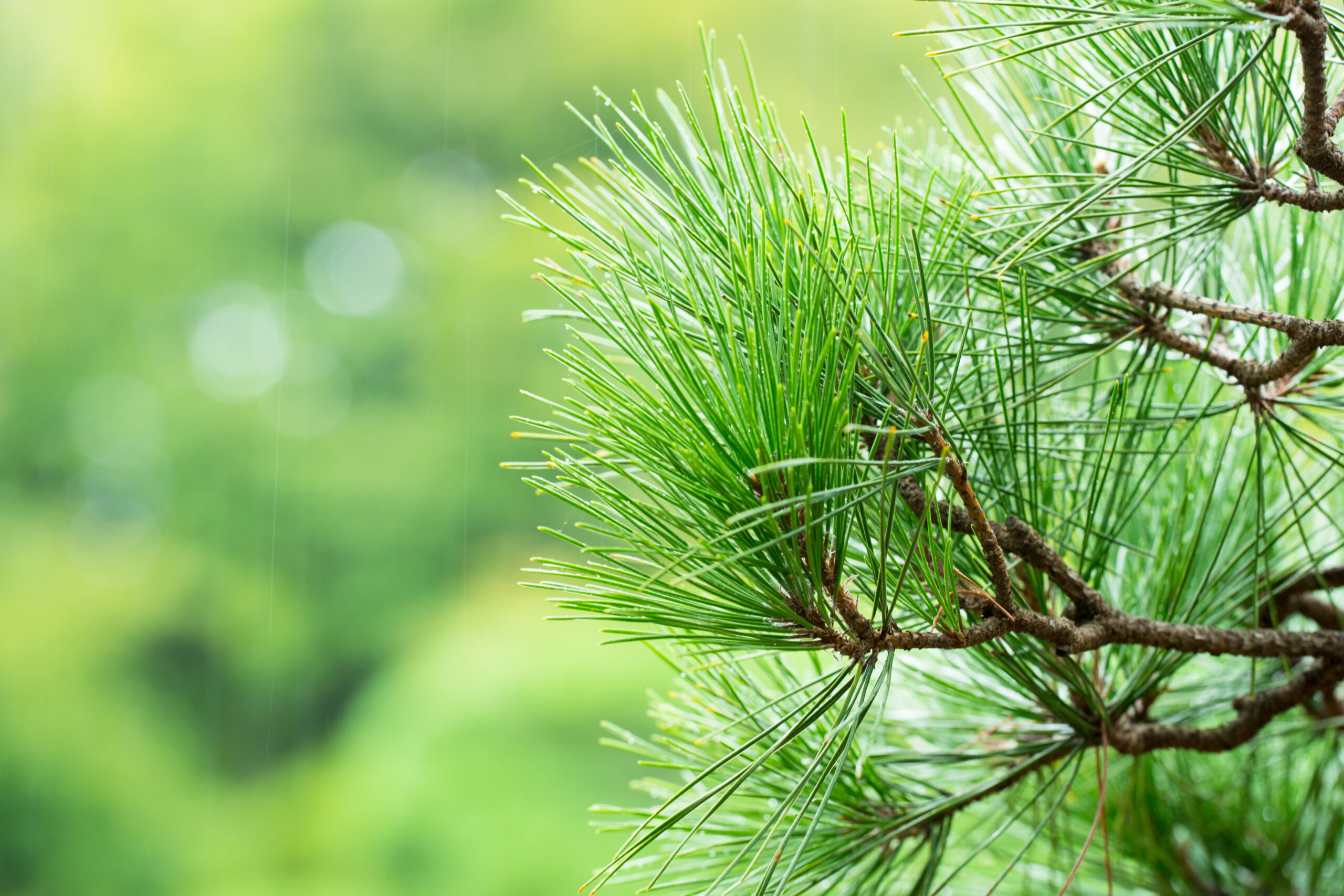
Pine trees remain green throughout the year, making them powerful symbols of longevity and perseverance in Japanese culture. In shrines, traditional gardens, and ceremonial settings, pine trees represent continuity of life and enduring stability.
Pine frequently appears in the auspicious trio of pine, bamboo, and plum, known in East Asian culture as the “Three Friends of Winter.” Together they symbolize resilience and vitality during the harshest seasons. The deep green of pine therefore carries connotations of good fortune and enduring strength.
Layering
Depth of Tone
Chitose Midori is not a flat green. Its tone emerges from layers of green and shadow, producing a depth that appears almost black under certain conditions.
Pine needles themselves shift in color depending on light. In sunlight they reveal their evergreen hue, while in shade they deepen toward an inky darkness. Chitose Midori captures this layered natural phenomenon.
Palette
Color Composition
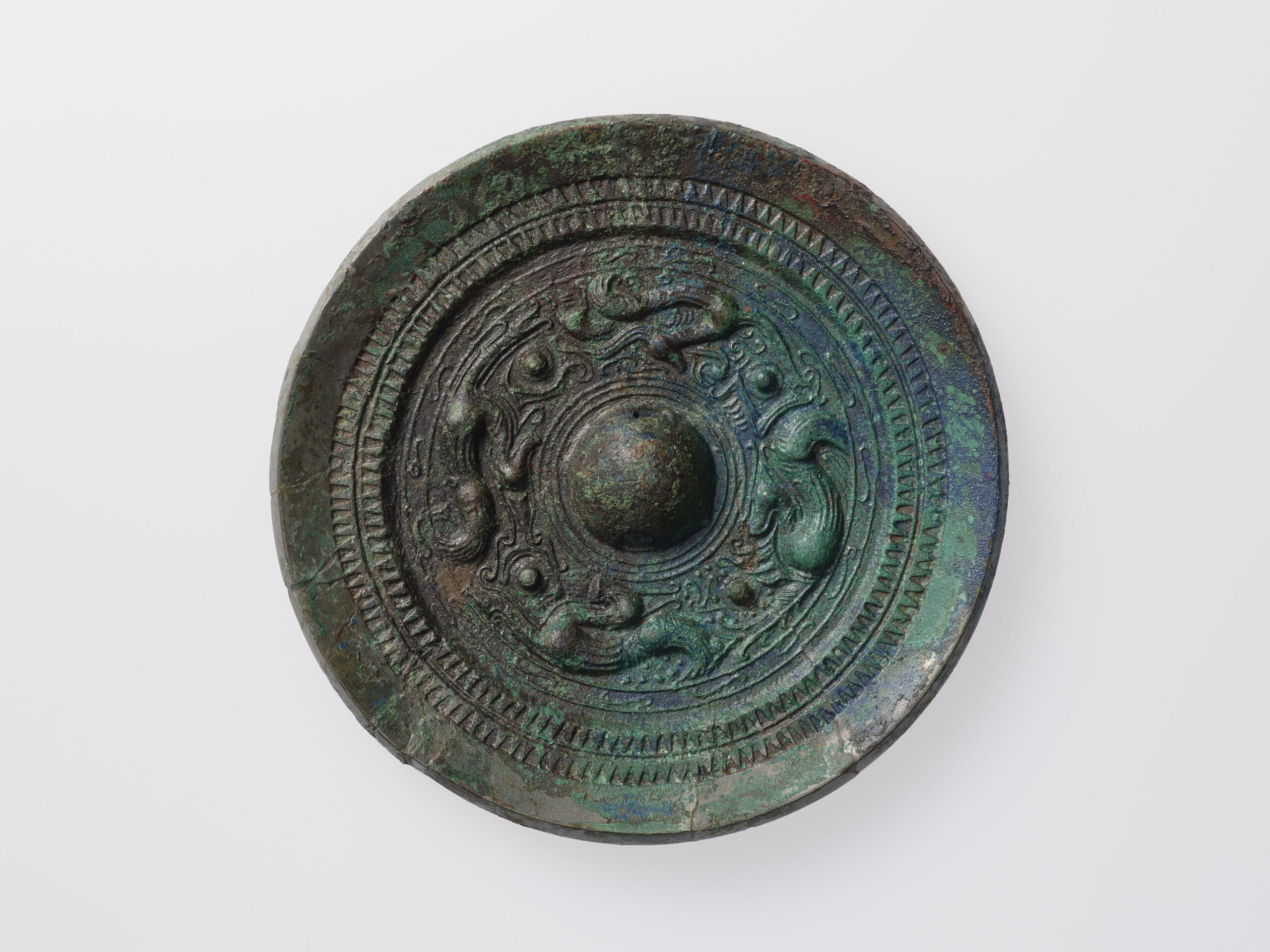
The primary tone of Chitose Midori resembles the dark evergreen of pine needles. It is not vivid but subdued, creating a calm and dignified visual presence.
Beneath the green lies a subtle depth of inky undertones. Depending on lighting conditions, these undertones may dominate, allowing the green to recede into shadow or quietly emerge from darkness.
Art
Pine Green in Japanese Art
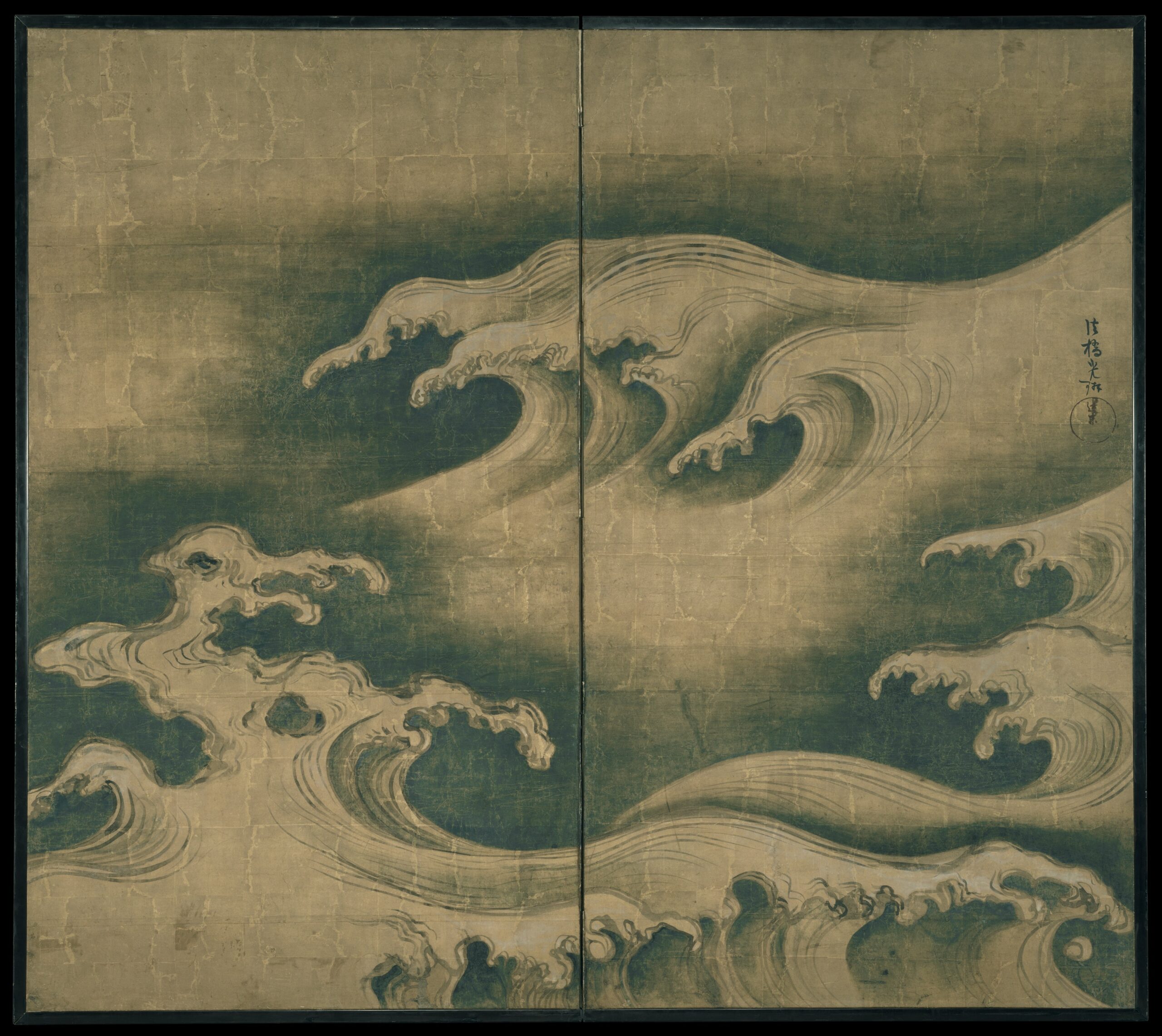
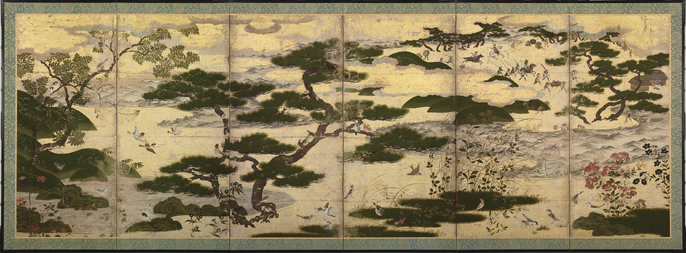
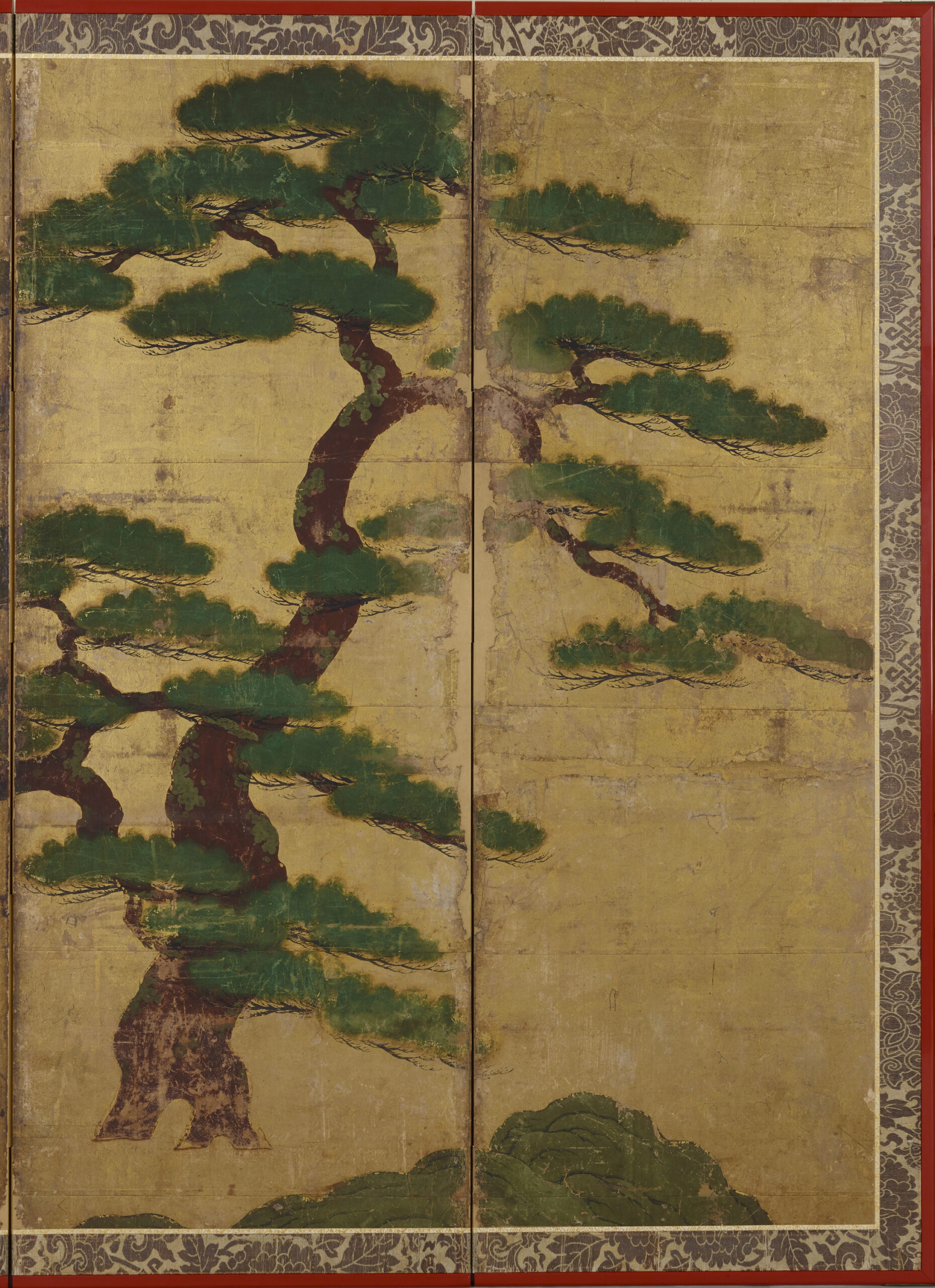
Pine trees appear frequently in Japanese art as symbols of longevity and prosperity.
In works attributed to Ogata Korin, pine trees stand boldly against decorative backgrounds, their deep green expressing vitality and permanence.
Such imagery reflects a cultural association between pine and enduring life, a symbolism closely aligned with the meaning embodied by Chitose Midori.
Time
Variation in Light
Chitose Midori shifts subtly depending on light and environment. Under direct sunlight it appears as a deep evergreen, while in shadow it can approach an almost black tone.
This natural variation mirrors the appearance of pine needles themselves, giving the color a quiet depth shaped by light and time.