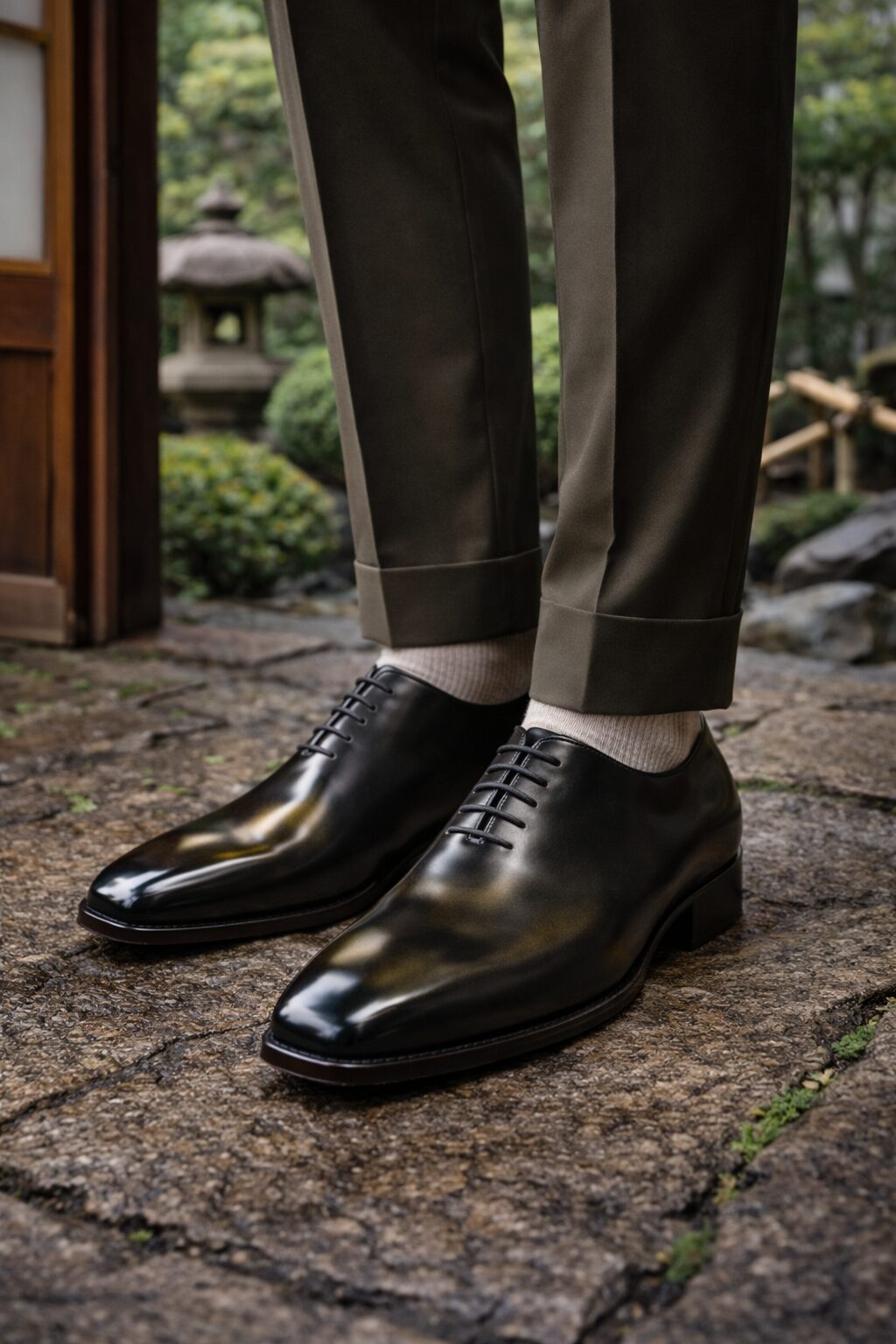
Concept
What Is Makie?
Makie is a uniquely Japanese lacquer art technique—and at the same time a chromatic and aesthetic concept—in which gold or silver powder is sprinkled onto layers of black lacquer, then refined through repeated coating, polishing, and layering, to create an expression in which light seems to emerge softly from within darkness.
It is not a simple contrast of “black and gold.”
Rather, Makie is defined by a layered visual structure in which the surface remains predominantly black, while the presence of gold is quietly embedded beneath it.
Visually, it is perceived as “a deep black from which faint gold subtly reveals itself,” or “a surface that shifts from black to gold depending on light and angle.”
It is not an expression that asserts brilliance at first glance, but one that acquires meaning only through time, movement, and attentive viewing.
Makie is not a fixed color.
Instead, it is a materialized experience of transition—from darkness toward light— crystallized through technique and sensibility, and rooted in a distinctly Japanese way of seeing.
Context
Use in Ancient Japan

Makie reached a high level of refinement during the Heian period, becoming an essential decorative technique for courtly objects such as furnishings, writing implements, cosmetic containers, and sutra boxes. Within Heian aesthetics, overt display of gold was not necessarily considered the highest form of beauty. Rather, concealing gold within the stillness of black lacquer was seen as a sign of refinement, intellect, and restraint. This approach aligned with a broader cultural ideal in which value was expressed not through immediacy, but through quiet depth and delayed revelation.
In classical Japanese poetry and narrative literature, beauty was often found not in light itself, but in the moment when light begins to appear, or in the faint glow that permeates darkness. The Makie expression—where gold gently surfaces from black—resonates deeply with this literary sensibility. It functions as a visual embodiment of suggestion, implication, and 余情 (yojō, lingering resonance). Rather than declaring meaning, Makie invites contemplation.
From the late Heian through the Kamakura and Muromachi periods, Makie evolved beyond ornamentation into a method of structuring space, narrative, and perception. Gold was no longer presented as flat brilliance, but embedded as lines, particles, and depth, guiding the viewer’s awareness inward rather than outward. This was not realism, but a visual strategy for controlling experiential depth, and it is here that Makie’s chromatic philosophy fully matured.
Pictorial Strategy
Makie as an Expressive Device in Painting and Space
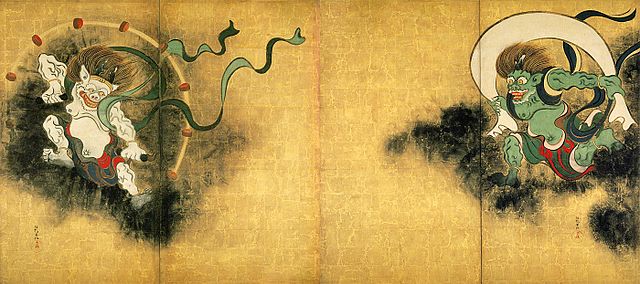
Makie is not merely ornamentation; it is a method of staging perception. Gold functions as a controlled presence—distributed as particles, lines, and depth—so that the viewer’s awareness is guided inward rather than outward.
In many Japanese visual traditions, brilliance is not the goal; the goal is the moment when brilliance begins to appear. Makie transforms “gold” from a flat statement into a time-based experience: an emergence that depends on angle, distance, and attention.
Sensibility
The Aesthetics of Quiet Radiance
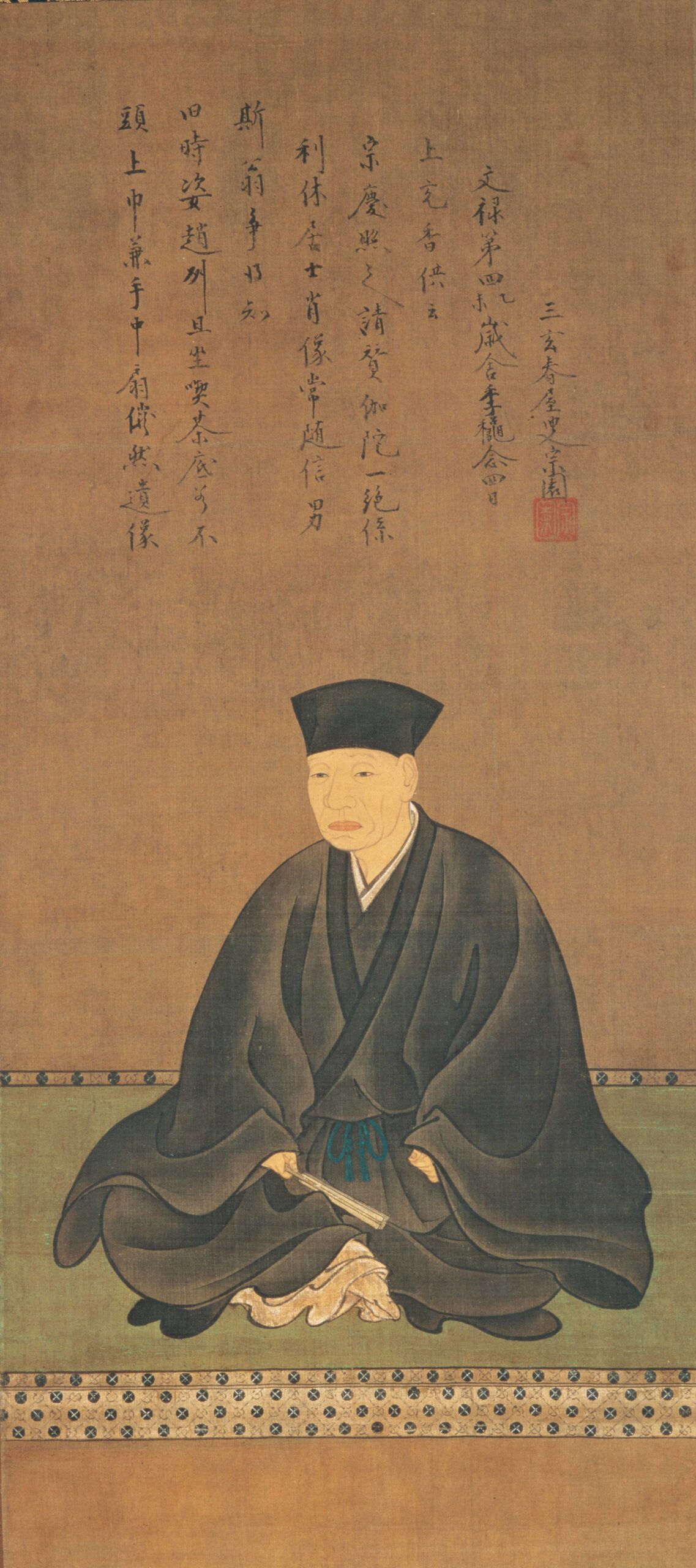
In classical Japanese literature and aesthetics, beauty is often located not in light itself, but in the threshold where light begins to appear. Makie’s language—gold quietly rising from black—aligns with a culture that values suggestion, restraint, and lingering resonance.
Rather than declaring meaning, Makie leaves space for the viewer to complete the experience. It is an art of controlled revelation: brilliance shaped by discipline, depth, and time.
Palette
Color Composition
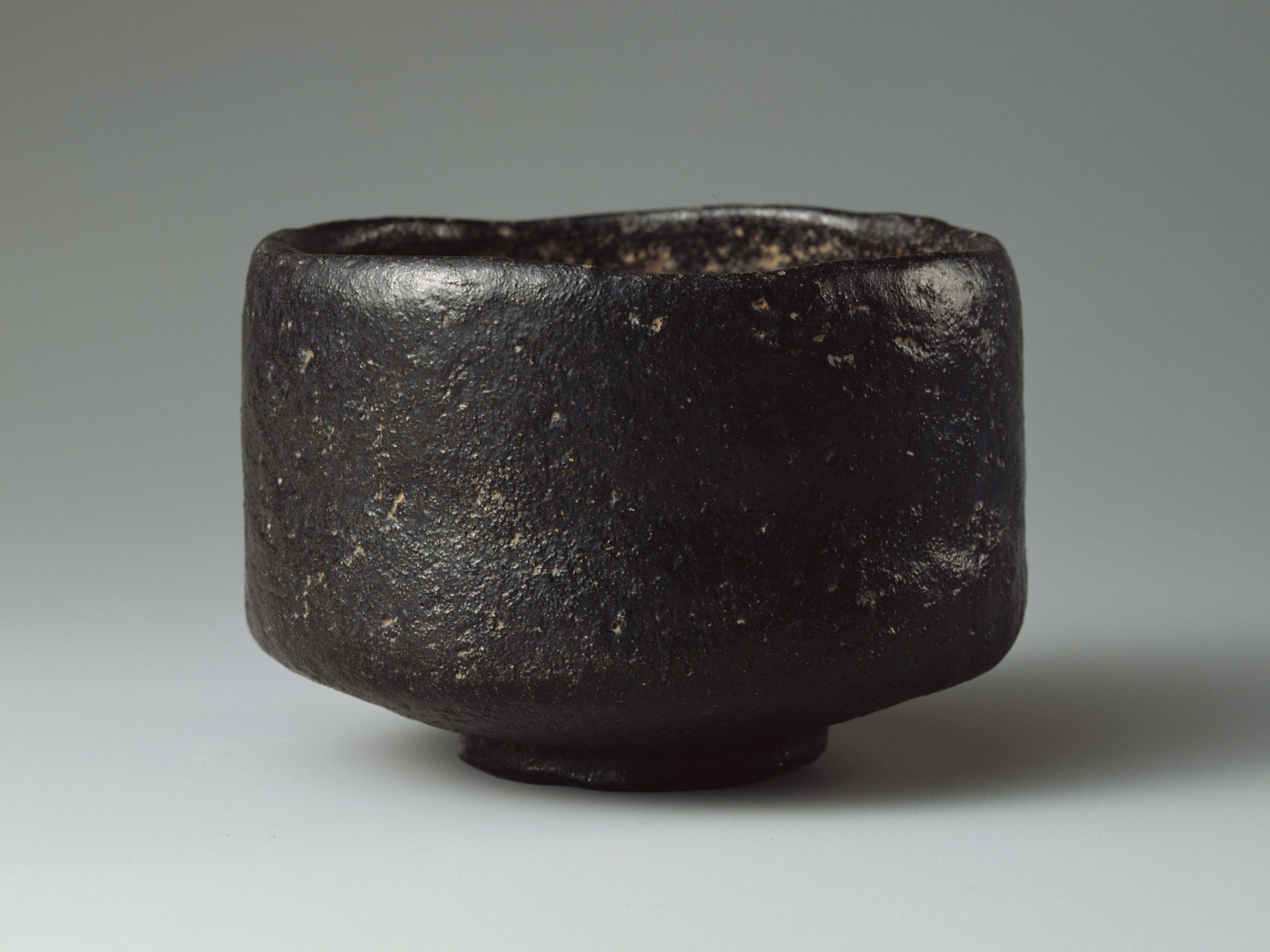
© The Gotoh Museum.
A profound, light-absorbing black that functions as the foundational layer of stillness. It serves as the “dark field” that holds and restrains all ornamentation.
Gold powder or gold paste is placed within the lacquer layers, allowing light to appear as if it originates from beneath the surface rather than resting upon it.
Depending on viewing angle and distance, black may dominate or gold may gently rise to visibility, creating a continuously shifting surface expression.